On Top of the WORLD TREE
Ancient Civilisation of the Americas
Contents
PART I
Yesterday, I visited On Top of the World Tree, the exhibition on the ancient civilisations of the Americas at the Shanghai Museum (People’s Square). Before this, I knew almost nothing about them. On my way there, I listened to a few podcasts about how the exhibition came together.
- I learned that the Indigenous peoples of the Americas originally migrated from Asia a very, very long time ago. No wonder some Indigenous Americans – with their long, straight black hair and facial features – have always looked strangely familiar to me.
- The exhibition was originally planned as a collaboration with three countries: Mexico, Honduras, and Peru. The negotiations with Honduras eventually fell through, so the final arrangement became two floors for Mexico and one floor for Peru.
- Apparently, the first round of talks with Mexico went quite well, and everyone thought a deal had been reached – until the Mexican side simply left the organisers on read on WhatsApp. Later, the museum approached another institution, invited its representatives to Shanghai and Beijing to see the proposed exhibition spaces, and gradually earned their trust. When I heard that one of the representatives was a great admirer of Chairman Mao, my Latin American stereotype radar immediately went off (just kidding).
- A lot of corn had been planted near the museum entrance. Apparently, it had been growing there since the seedlings were tiny, surviving several typhoons along the way. Seeing so much corn in the middle of downtown Shanghai made me unexpectedly happy (?). Corn really is a beautiful crop. Even the Chinese word for it, literally jade rice, is beautiful. And there's a lovely echo in it: these ancient civilisations held a kind of reverence for jade and worshipped a maize god, and the Chinese word quietly brings the two together.
- I learned that museum professionals sometimes refer to pre-packaged exhibitions as "canned exhibitions". They also talked about how important it is for museums to develop their own exhibitions and tell their own stories. I found that pretty interesting.
I'll continue with the podcasts and add new information here when I'm done. :)
PART II
Here's what I saw at the exhibition, written down so I'll remember it.
Mesoamerica
1. Olmec Civilisation
One of the earliest and most influential cultural traditions in Mesoamerica, the Olmec are often described as a mother culture, although they were not the sole origin of Mesoamerican civilisation. Many regional cultures developed independently while maintaining contact and exchanging ideas with one another.
There is also no conclusive evidence that the Olmec formed a unified state. The rise and decline of their major cultural centres may reflect shifting patterns of regional development rather than the migration of a single political or cultural centre.
a. Major Cultural Centres
| Centre | Main Period of Development | Significance |
|---|---|---|
| San Lorenzo | c. 1400–900 BCE | one of the earliest major Olmec centres |
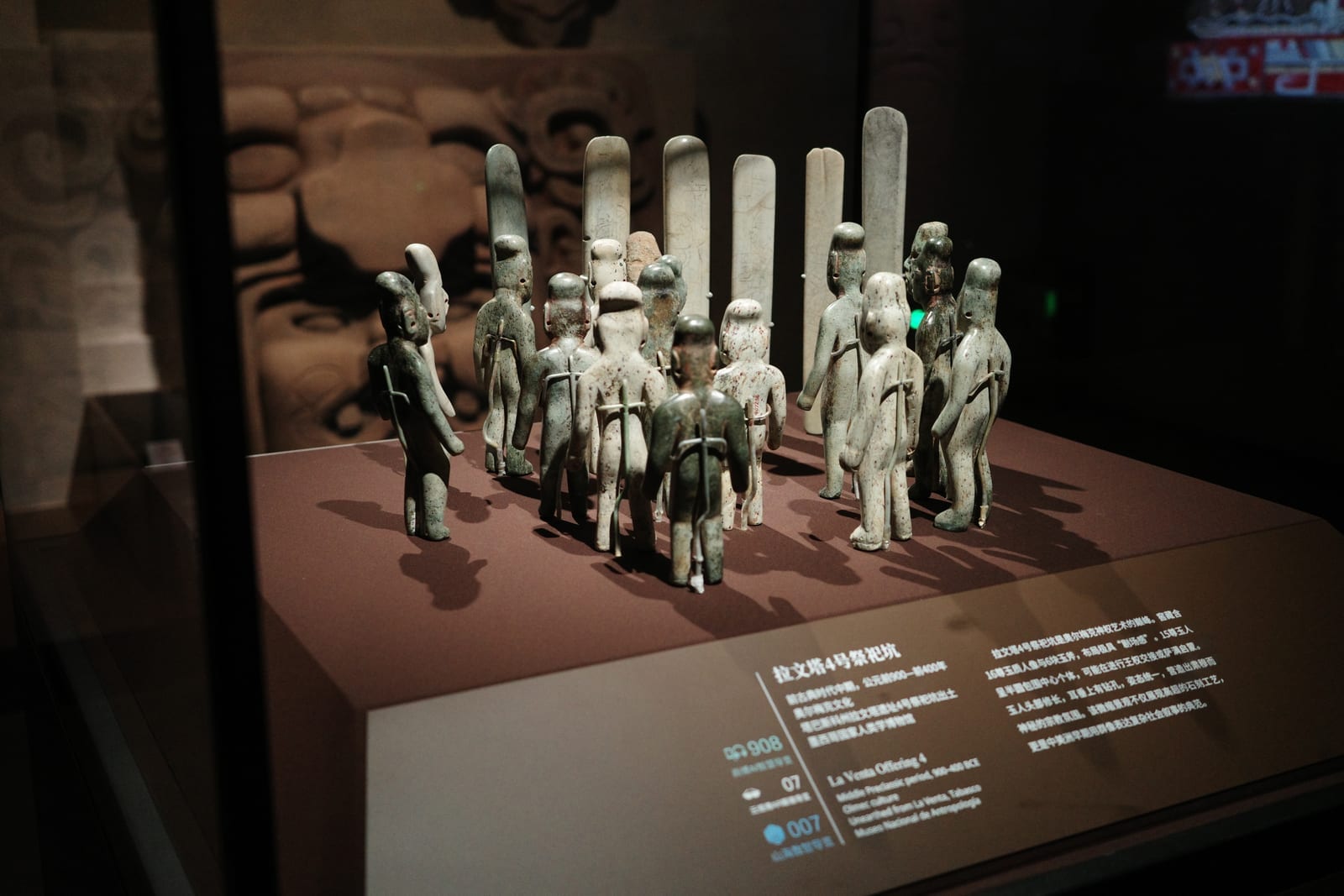
| La Venta | c. 900–400 BCE | the principal centre of the later Olmec period |
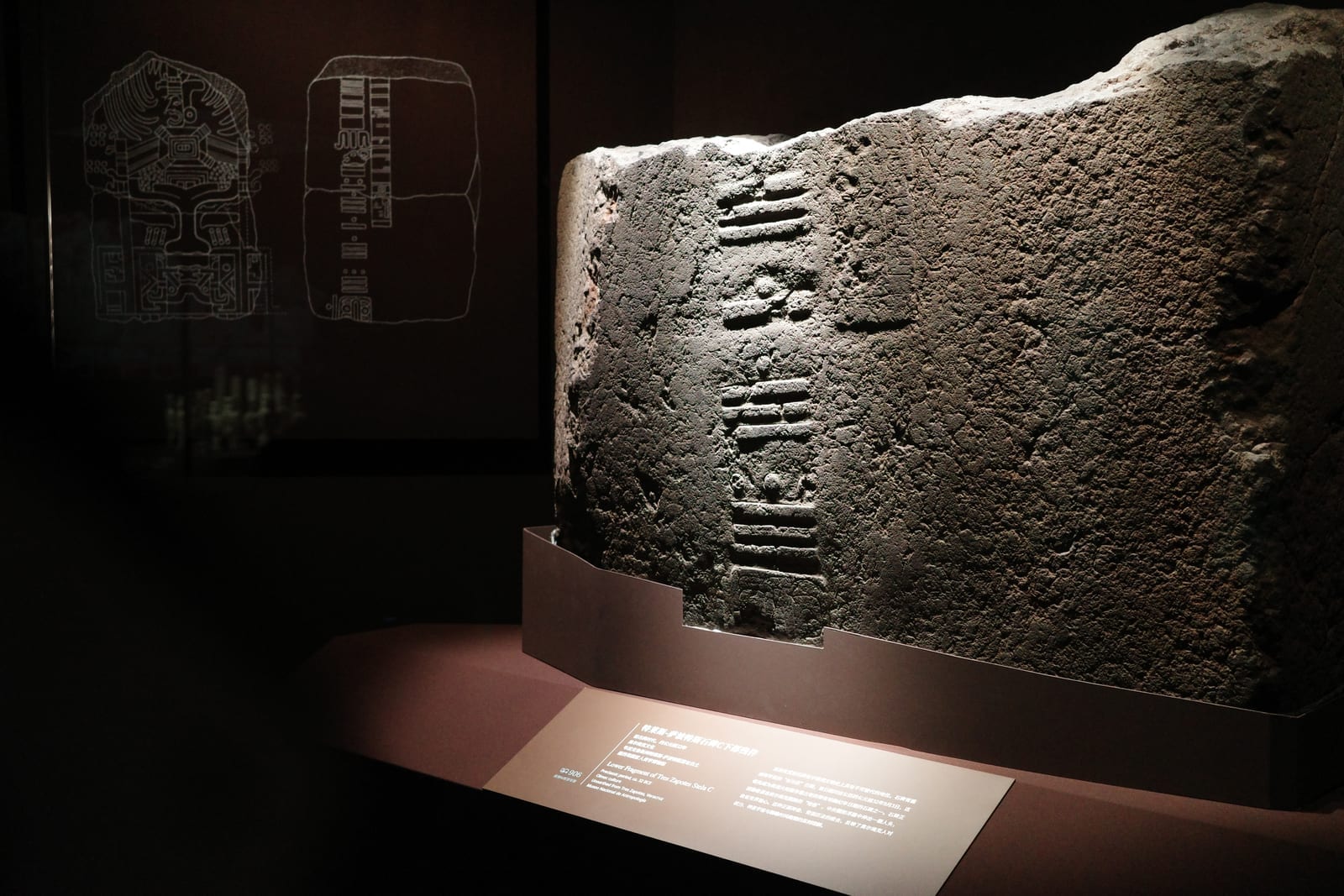
| Tres Zapotes | c. 900 BCE – early centuries CE | initially part of the Olmec cultural sphere; later associated with the development of Epi-Olmec traditions |
b. Defining Features
Rubber
The Gulf Coast of Mexico has long been home to plants that produce natural latex. This is also where the name Olmec comes from, generally interpreted as "people of the rubber country".
However, the name was assigned by later peoples, and we still do not know what the Olmec called themselves.
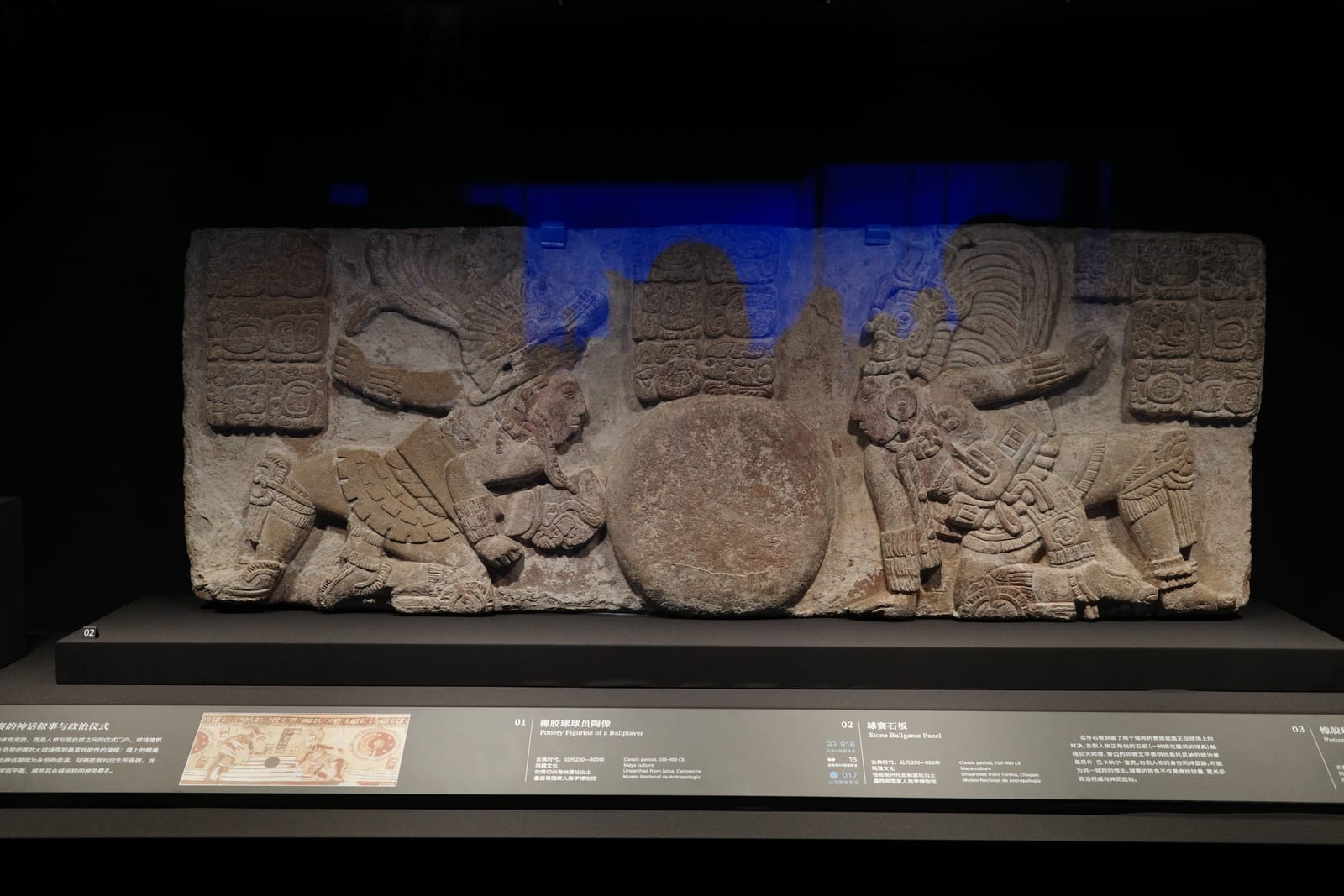
The Mesoamerican ballgame therefore has an extraordinarily long history. Rubber ballgames were already being played during the height of Olmec civilisation.
Ballgames could also be associated with rituals involving human sacrifice, although the popular question of whether the winners or losers were sacrificed has no single established answer. In some contexts, being chosen for sacrifice may even have been regarded as an honour.
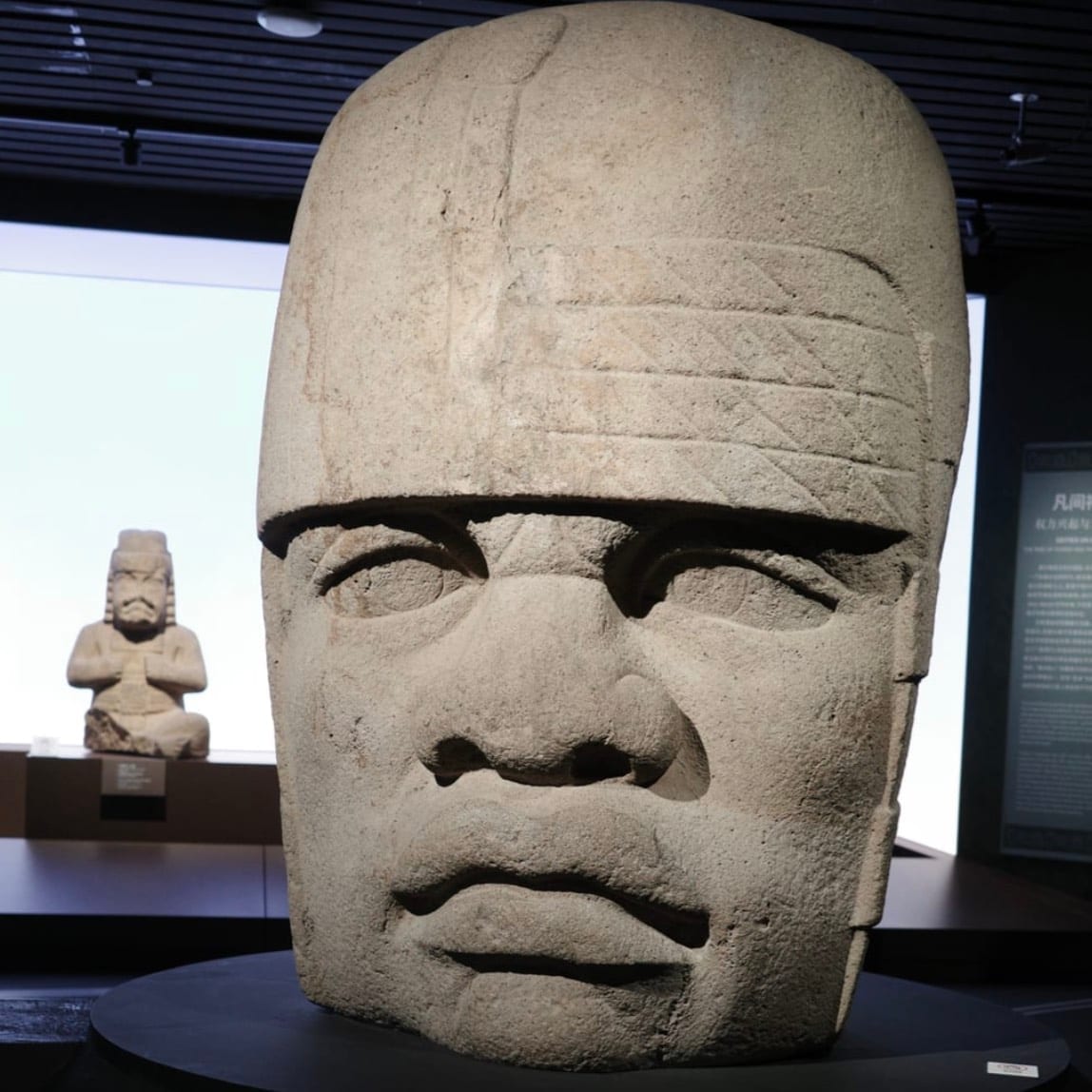
Colossal Stone Heads
Because the colossal Olmec heads have distinct facial features rather than identical appearances, they are often interpreted as monumental portraits of real individuals, possibly rulers.
Some of these heads may have been recarved from earlier stone thrones. If so, objects that once symbolised the authority of living rulers were transformed into monuments commemorating the past.
Exactly how such enormous stones were transported remains an unresolved question.
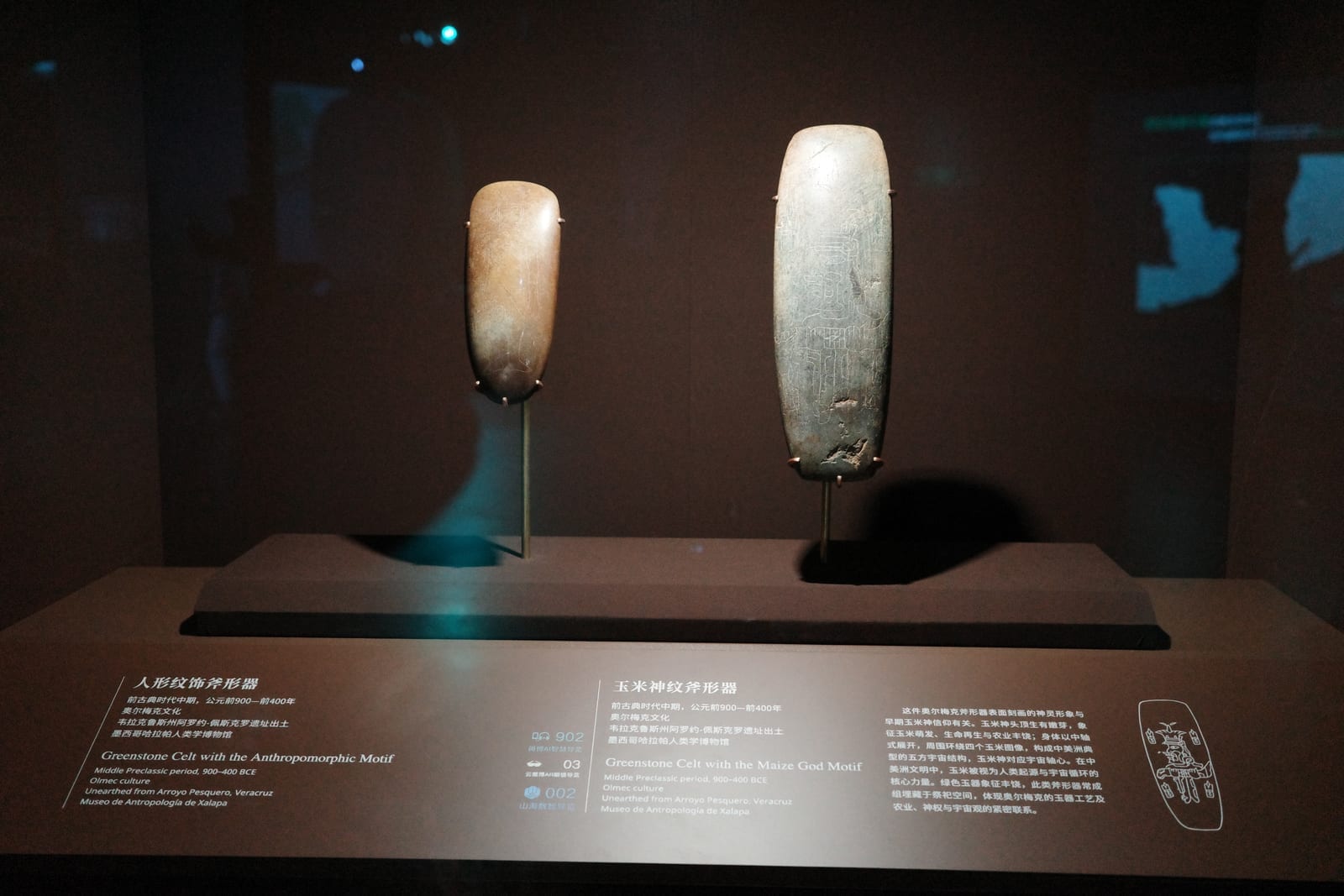
Maize and Chilli Peppers
Maize and chilli peppers were among the most important crops of Mesoamerica. Over time, maize became a staple food for many societies and profoundly influenced their religious beliefs. The maize god was more than an agricultural deity. Maize gradually became associated with the cycles of life, death, and regeneration.
Jaguars
In Mesoamerican religious traditions, jaguars were frequently associated with power, the night, the underworld, and political authority.
As one of the region's most powerful predators, capable of hunting at night, the jaguar occupied a remarkable position in the human imagination: it belonged to the familiar natural world while embodying a formidable and mysterious power.
2. Maya Civilisation
Maya civilisation was not a unified state but a collection of kingdoms and city-states. An important title held by Maya rulers was k’uhul ajaw, meaning "divine lord".
These rulers were not merely political leaders; they also performed essential religious duties. Through sacrifices, rituals, and connections with their ancestors, Maya kings were believed to maintain the relationship between human beings and the gods.
a. Major City-States
- Tikal: Famous for its towering temple pyramids.
- Calakmul: A major rival of Tikal for much of the Classic period. Its ruling dynasty is closely associated with the Snake Dynasty.
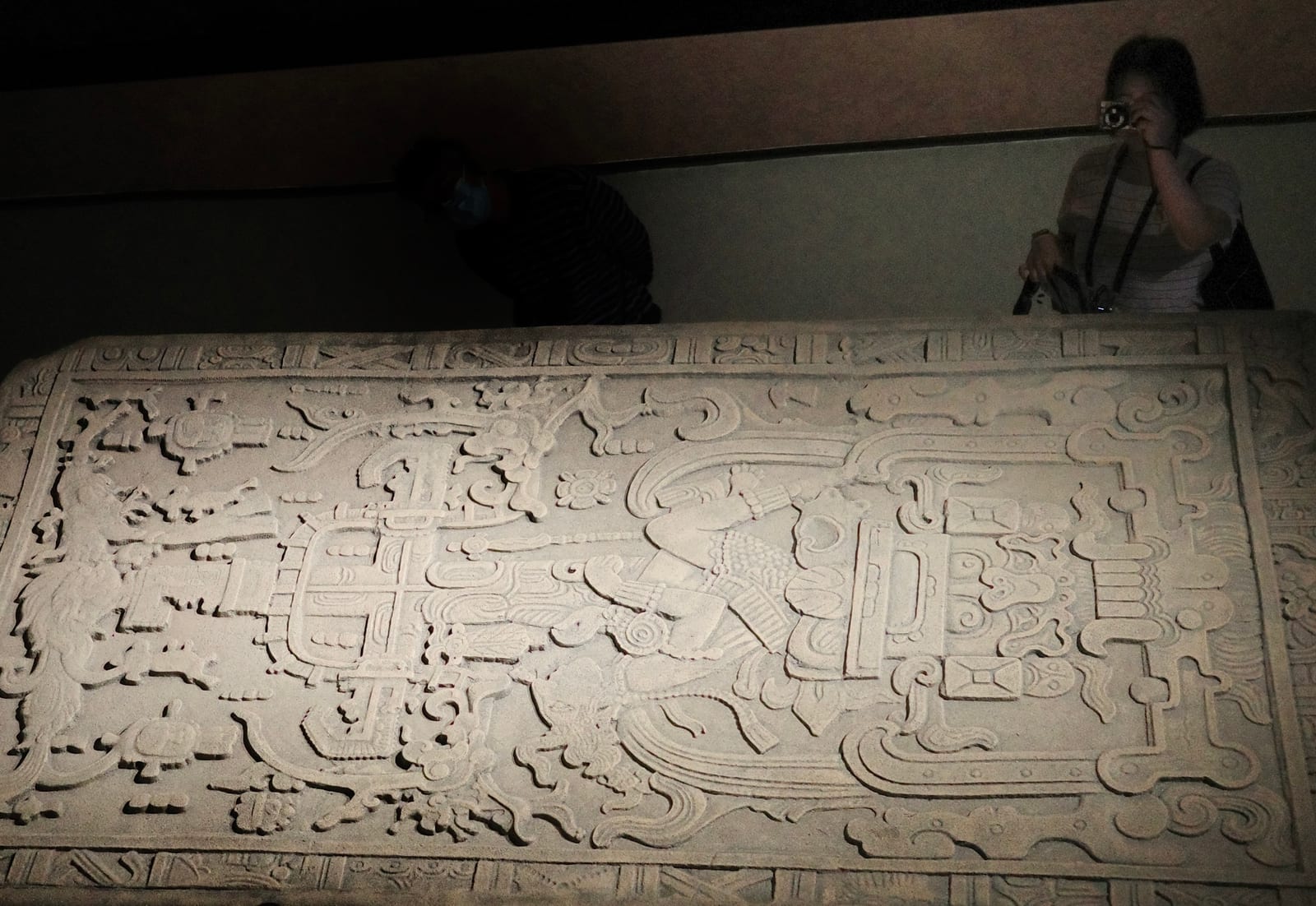
- Palenque: Home to K'inich Janaab' Pakal, commonly known as Pakal the Great, one of its most celebrated rulers. Pakal ascended the throne in 615 CE at approximately twelve years old and ruled for about 68 years. The exceptionally well-preserved archaeological context of his tomb made its discovery one of the most significant events in Maya archaeology.
b. Maya Cosmology
Duality
In one scholarly interpretation of Maya cosmology, the universe contains two different kinds of substance.
One is light, subtle, enduring, and associated with divine qualities. The other is heavy, solid, perishable, and constitutes the material world of everyday experience.
These two forms of existence were not understood as entirely separate. Divine forces could enter the material world, while gods could manifest through physical forms, rituals, and natural phenomena.
The Three Realms of the Universe
- The Heavens: The realm of gods and celestial movements, often imagined as consisting of multiple layers.
- The Earthly Realm: The world inhabited by humans, with the world tree standing at its centre.
- The Underworld: A realm associated with death, transformation, and regeneration. In K'iche' Maya tradition, it is known as Xibalba, a world of trials, death, and transformation.
The Five-Directional Universe
Maya spatial cosmology incorporated five directions: east, west, north, south, and the centre. The centre served as the cosmic axis connecting the heavens, the earthly world, and the underworld. The ceiba tree was an important model for the Maya world tree. Its roots extended into the underworld, its trunk stood in the human realm, and its branches reached towards the heavens. The world tree was therefore more than the representation of a tree. It symbolised the structure through which cosmic order was established and maintained.
c. Astronomy and Calendars
The Solar Calendar and the Sacred Calendar
- Solar Calendar (Haab'): A 365-day calendar consisting of eighteen 20-day months and five additional days. It was associated with the solar year, seasonal cycles, and agricultural activities.
- Sacred Calendar (Tzolk'in): A 260-day ritual calendar formed through the continuous combination of thirteen numbers and twenty day names. It was used for religious ceremonies, divination, naming, and determining the sacred significance of particular days.
- Calendar Round: The combination of these two calendars produced a repeating cycle of approximately 52 years.
The Long Count Calendar
The Long Count was used to record dates across much longer periods of history. It employed a numerical system based largely on twenty, with certain modifications, allowing dates to be recorded over exceptionally long timescales.
One important unit was the b'ak'tun, equivalent to 144,000 days. December 21, 2012, marked the completion of the thirteenth b'ak'tun in a widely used correlation of the Maya Long Count calendar. The date did not inherently signify the end of the world. Its association with an impending apocalypse was largely a modern interpretation, popularised in the decades following the 1970s.
d. Pyramids
Unlike Egyptian pyramids, which primarily served funerary purposes, Maya pyramids fulfilled a variety of functions.
- Temples: Sites for religious ceremonies and sacrifices, including bloodletting rituals. Maya rulers and nobles pierced parts of their bodies using stingray spines, obsidian blades, bone needles, or thorned cords to offer their own blood.
- Royal Tombs: Burial places for rulers.
- Monumental Architecture: Structures expressing and reinforcing royal authority.
- Astronomical and Calendrical Functions: Some buildings were oriented in relation to celestial movements or significant dates.
e. Decline
During the ninth century CE, many Maya political centres in the southern lowlands experienced a major decline. However, Maya civilisation continued to develop after the collapse of these Classic-period cities.
Chichén Itzá and Mayapán, for example, played important roles in later Maya history.
The arrival of Spanish colonisers in the sixteenth century brought further profound disruption.
Maya civilisation did not simply disappear. Maya languages and cultural traditions continue to exist today.
f. Popol Vuh
The Popol Vuh, sometimes described as a sacred book of the Maya, preserves K'iche' Maya mythology, including the story of the Hero Twins, Hunahpu and Xbalanque.
Their father and uncle were exceptionally skilled ballplayers, but the rulers of the underworld tricked them into entering Xibalba, where they were eventually killed.
Their father's severed head was hung from a tree. When a young woman from the underworld approached the tree, supernatural forces caused her to become pregnant, and she later gave birth to the twins.
As the brothers grew older, they too descended into the underworld, where they faced a series of trials, including the House of Darkness, the House of Knives, and the House of Bats.
The twins were not only talented ballplayers but also extraordinarily clever. They repeatedly defeated their enemies through intelligence, deception, and elaborate tricks.
Eventually, they performed a magical demonstration involving death and resurrection. They persuaded the rulers of the underworld to undergo the same ritual but deliberately failed to bring them back to life.
Through this final deception, the twins defeated the lords of Xibalba.
3. Teotihuacan
- Teotihuacan began to develop around 100 BCE and reached its height between approximately 100 and 550 CE.
- At its peak, the city may have had a population exceeding 100,000. With its sophisticated urban planning, specialised crafts, extensive trade networks, and multiethnic population, it was one of the largest cities in the world at the time.
- The name Teotihuacan comes from Nahuatl, the language later spoken by the Aztecs, and is commonly interpreted as "the place where the gods were born". By the time the Aztecs encountered the city, it had already been in decline for centuries. Its enormous pyramids nevertheless inspired a profound sense of sacred significance.
- The city was organised around a monumental north–south axis, now known as the Avenue of the Dead. The Pyramid of the Sun, the Pyramid of the Moon, the Temple of the Feathered Serpent, and other monumental complexes were integrated into a remarkably coherent urban layout. The city's planning also reflected relationships with the surrounding mountains and astronomical orientations.
What I found particularly fascinating was that Teotihuacan exerted a profound influence on the politics of Maya city-states.
In 378 CE, a figure known in Maya inscriptions as Siyaj K’ak’, or "Fire Is Born", arrived in Tikal.
His arrival was followed by major changes in Tikal's ruling dynasty, with the new rulers displaying close connections to Teotihuacan.
Whether this episode represented a military conquest, dynastic intervention, or a more complicated form of political alliance remains a subject of scholarly debate.
4. Toltec Civilisation
- Toltec civilisation flourished primarily between approximately 900 and 1150 CE, with its major centre at Tula in present-day Mexico.
- Toltec art and architecture featured striking military imagery. One famous example is the enormous warrior columns, carved in the form of standing warriors, which once served as architectural supports.
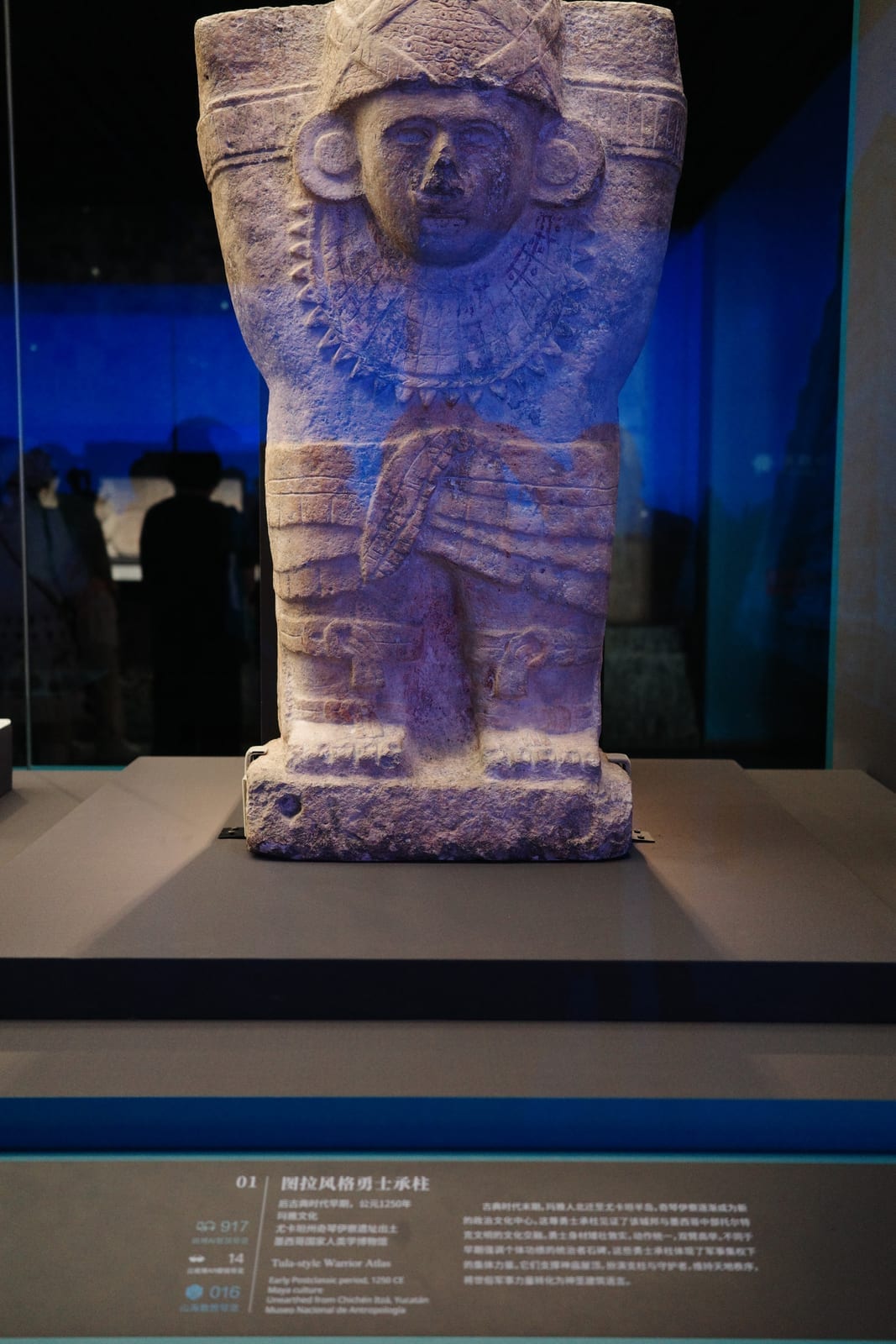
Toltec warrior columns
The Aztecs held the Toltecs in exceptionally high regard.
They associated the Toltecs with skilled craftsmanship, artistic excellence, and the achievements of an idealised civilisation.
However, Aztec accounts of the Toltecs contain substantial mythological and idealised elements and cannot all be treated as reliable historical records.
The relationship between the Toltecs and the Maya city of Chichén Itzá is also particularly complex.
Their architecture and artistic traditions display striking similarities, leading some scholars to propose that the Toltecs conquered Chichén Itzá and introduced their culture there.
5. Aztec Civilisation
Aztec civilisation reached its greatest political power during the fifteenth and early sixteenth centuries.
a. The Triple Alliance
The political foundation of the Aztec Empire was the Triple Alliance, established in 1428.
Its three principal members were Tenochtitlan, Texcoco, and Tlacopan, with Tenochtitlan eventually becoming the dominant power.
The empire's principal city was Tenochtitlan, founded by the Mexica on an island in Lake Texcoco.
The city featured an elaborate network of causeways, canals, markets, and water-supply infrastructure.
The Migration Legend of the Mexica
According to the Codex Boturini, also known as the Migration Scroll, the Mexica traced their ancestral origins to a northern land called Aztlán.
In the legend, they were guided by their patron deity, Huitzilopochtli, through a long migration.
They were instructed to establish their city at a place where they would find an eagle perched on a cactus.
Following this divine guidance, they eventually arrived in the Valley of Mexico.
The legend forms the historical and mythological background of the image found at the centre of the modern Mexican flag: an eagle holding a snake while standing on a cactus.
b. Sun Worship and the Five Suns
In Aztec religious thought, the continued movement of the sun was not something that could be taken for granted.
Cosmic order had to be sustained through reciprocal exchanges between gods and human beings.
The creation of the sun required sacrifice, and its continued movement required sacrifice as well.
According to certain myths and ritual traditions, the gods had sacrificed themselves to create or maintain the world. Humans therefore had an obligation to repay the gods through offerings.
This religious framework helped justify the practice of human sacrifice.
Captives taken in warfare were sometimes selected as sacrificial victims, although the identities and social positions of those sacrificed varied according to the ritual.
The Five Suns
Unlike the Maya Long Count, which used a systematic chronological framework to record historical dates, the Aztec Five Suns described a sequence of cosmic ages through mythology.
According to this tradition, the world had already passed through four previous eras, each associated with a different sun.
Humanity was living under the fifth sun, whose eventual end remained uncertain.
The Birth of the Fifth Sun
One famous myth describes how the fifth sun came into existence.
After the destruction of the fourth world, the gods gathered at Teotihuacan to decide who would become the new sun.
Two gods volunteered:
- Tecuciztécatl: Wealthy and proud, he prepared magnificent offerings.
- Nanahuatzin: Poor and afflicted by illness.
The gods prepared an enormous sacred fire.
The two candidates were required to leap into the flames and sacrifice themselves to become the sun.
Tecuciztécatl hesitated, unable to bring himself to jump.
Nanahuatzin, however, entered the fire without hesitation.
Inspired by his courage, Tecuciztécatl finally jumped in as well.
As a result, two brilliant suns appeared in the sky.
The gods realised that two suns would make the world unbearably bright.
One of them therefore picked up a rabbit and threw it at the face of the second sun.
Its light was diminished, and it became the moon.
Yet the appearance of the sun did not mean that the universe could function properly.
The gods discovered that further sacrifice was necessary to set the sun in motion.
In versions of the myth preserved in sources such as the Leyenda de los Soles (Legend of the Suns), the other gods ultimately sacrificed themselves to provide the force required for the sun to move across the sky.
c. The New Fire Ceremony
Like the Maya, the Mexica combined a 365-day solar calendar with a 260-day ritual calendar, producing a repeating cycle of 52 years.
At the completion of each cycle, they performed the New Fire Ceremony.
Existing fires were extinguished, and priests gathered at a designated sacred location to conduct rituals and ignite a new flame using a fire drill.
The newly kindled fire was then carried to temples and households throughout the region.
In Aztec thought, time was not simply an endless line progressing towards the future.
Time also moved through recurring cycles.
However, the completion of one cycle did not necessarily guarantee that the world would survive into the next.
A commemorative New Fire Ceremony is planned for 2027 at Cerro de la Estrella in Mexico City.
d. Other Cultural and Religious Elements
Deities
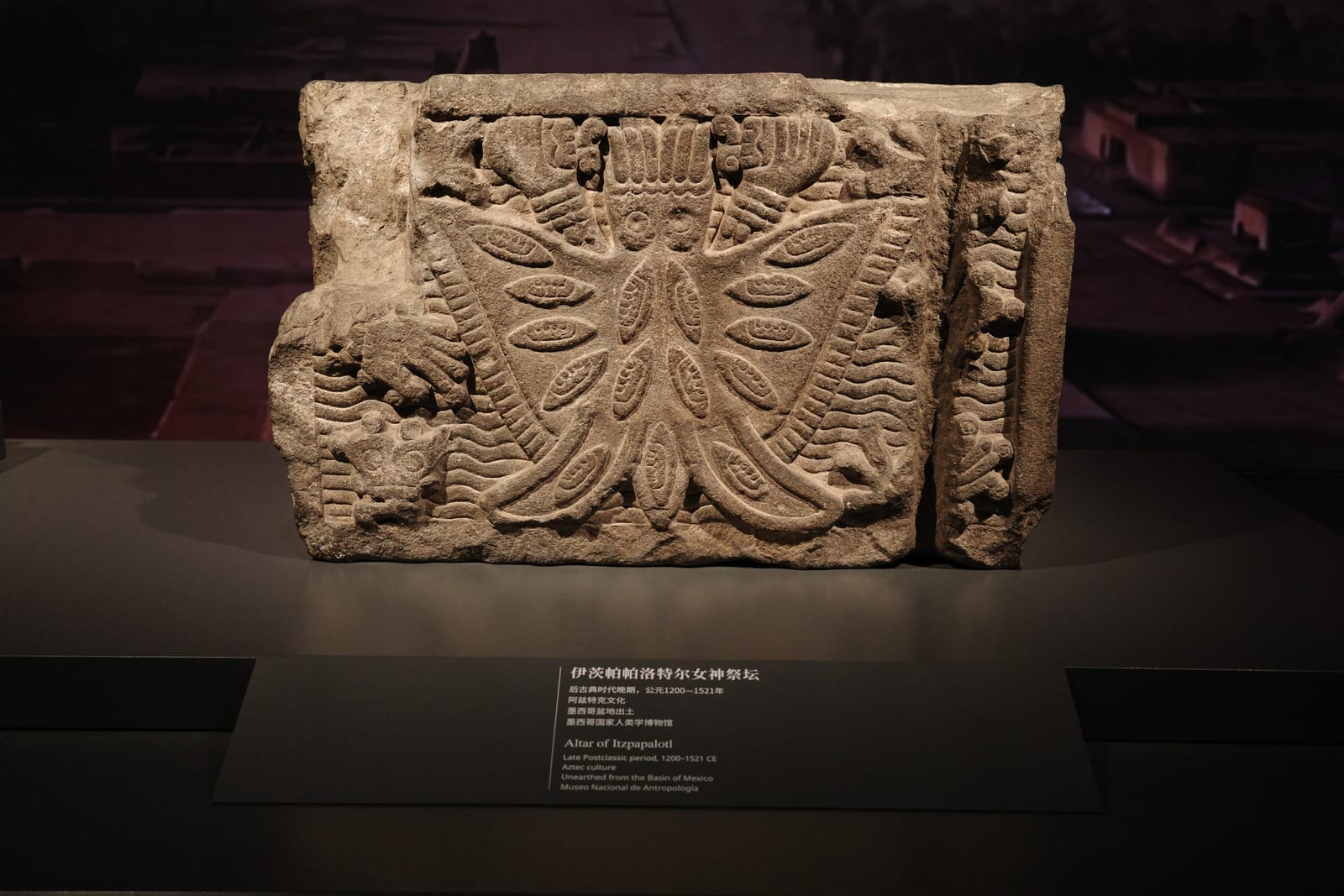
- Huitzilopochtli: Associated with the sun, warfare, and the patron deity traditions of the Mexica people.
- Tlaltecuhtli: An earth deity frequently depicted with female bodily characteristics.
- Xochipilli: The Flower Prince, a deity associated with flowers, music, dance, games, art, and pleasure.
Flower and Song / in xōchitl in cuīcatl
This expression was commonly used to refer to poetry, artistic speech, or forms of expression possessing special cultural and spiritual value.
- Mayahuel: The goddess associated with the maguey plant, a type of agave.
- Techálotl: A squirrel deity associated with caves, singing, dancing, intoxication, and playful or mischievous behaviour.
- Tláloc: An important deity associated with rain, thunder, storms, and agricultural fertility. He is often recognisable by his large circular, goggle-like eyes, a curling ornament beneath his nose, and a mouth that sometimes reveals prominent fangs.
- Huehuetéotl: An ancient fire deity associated with fire, old age, and the passage of time.
- Mictlantecuhtli: The lord of Mictlan, the underworld. He is commonly depicted as a skeletal figure or as a deity whose partially decomposed body exposes bones. Some representations show him with an enormous open mouth and visible teeth.
Ahuehuete / Montezuma Cypress
The ahuehuete is Mexico's national tree.
It is an exceptionally large and long-lived conifer, commonly found along rivers, streams, and other water sources.
Some specimens can survive for more than a thousand years.
One of the most famous examples is the Árbol del Tule, or Tree of Tule.
The name ahuehuete is commonly interpreted as "old man of the water".
Andean Civilisations
1. Moche Civilisation
- The Moche civilisation flourished primarily between approximately 100 and 800 CE along the northern Pacific coast of present-day Peru. It was not a unified empire but consisted of multiple political centres, potentially governed by different rulers and organised through distinct political structures.
- Moche ceramic art was extraordinarily sophisticated. The Moche produced numerous realistic portrait vessels, as well as pottery depicting warfare, sacrifice, deities, and scenes of everyday life.
- Religion and ritual sacrifice played important roles in Moche society. One of the best-known archaeological sites associated with this civilisation is the complex of Huacas del Sol y de la Luna, the Temples of the Sun and Moon.
a. Ai Apaec
The story of Ai Apaec has been reconstructed piece by piece by archaeologists studying Moche ceramics, murals, and other visual representations.
He is frequently depicted as a supernatural figure with fangs and serpent ornaments, combining human characteristics with features associated with felines, snakes, and other animals.
According to one influential scholarly interpretation, Ai Apaec was a mythological hero capable of travelling between different cosmic realms.
His journey begins in the fertile river valleys inhabited by humans.
Following the path of the sun, he eventually reaches the coast.
A loyal dog accompanies him, helping him cross the boundaries between different worlds and warning him of approaching dangers.
After entering the ocean, he encounters a succession of monstrous creatures, including a sea urchin monster and a pufferfish monster.
After defeating the pufferfish, he obtains a headdress imbued with the power of an owl.
Deeper into his journey, he confronts a terrifying adversary: the Decapitator of the dark world.
This creature combines characteristics of several marine animals, including sea lions, sharks, and rays.
Ai Apaec is eventually decapitated.
A booby and a vulture then carry his body into the realm of the dead.
There, he ultimately unites with a goddess and achieves rebirth.
2. Inca Civilisation
- The Inca expanded rapidly during the fifteenth century, establishing a vast empire stretching across the Andes.
- The Inca ruler was regarded as a descendant of the sun god.
- Unlike the Maya civilisation, the Inca developed a highly integrated imperial administrative system.
a. Major Cities and Sites
- Cusco: The imperial capital. Following the Spanish conquest, colonial authorities constructed Christian buildings on top of existing Inca structures. Today, the city still preserves remarkable examples of Inca stonework incorporated into colonial architecture.
- Coricancha: One of the most important religious complexes in the Inca Empire, primarily associated with the worship of the sun.
- Machu Picchu: Located high in the Peruvian Andes, Machu Picchu is one of the most famous archaeological sites of the Inca civilisation. Built along a mountain ridge, it demonstrates the remarkable ability of Inca builders to integrate precision stone masonry, agricultural terraces, drainage systems, and architecture into an extremely steep mountainous landscape.
b. The Road Network
The Qhapaq Ñan was an extensive road system connecting the vast territories of the Inca Empire.
It served not only as a transportation network but also as essential infrastructure for military movements, administrative control, the movement of goods, and the transmission of information.
The Inca did not develop a wheeled transportation system comparable to the horse-drawn vehicles commonly used across Eurasia. Instead, they established an exceptionally efficient network of roads and relay stations. Messengers could transmit information across great distances through a relay system.
Such infrastructure was particularly important for an empire spanning mountains, deserts, and numerous distinct ecological zones.
c. Khipu
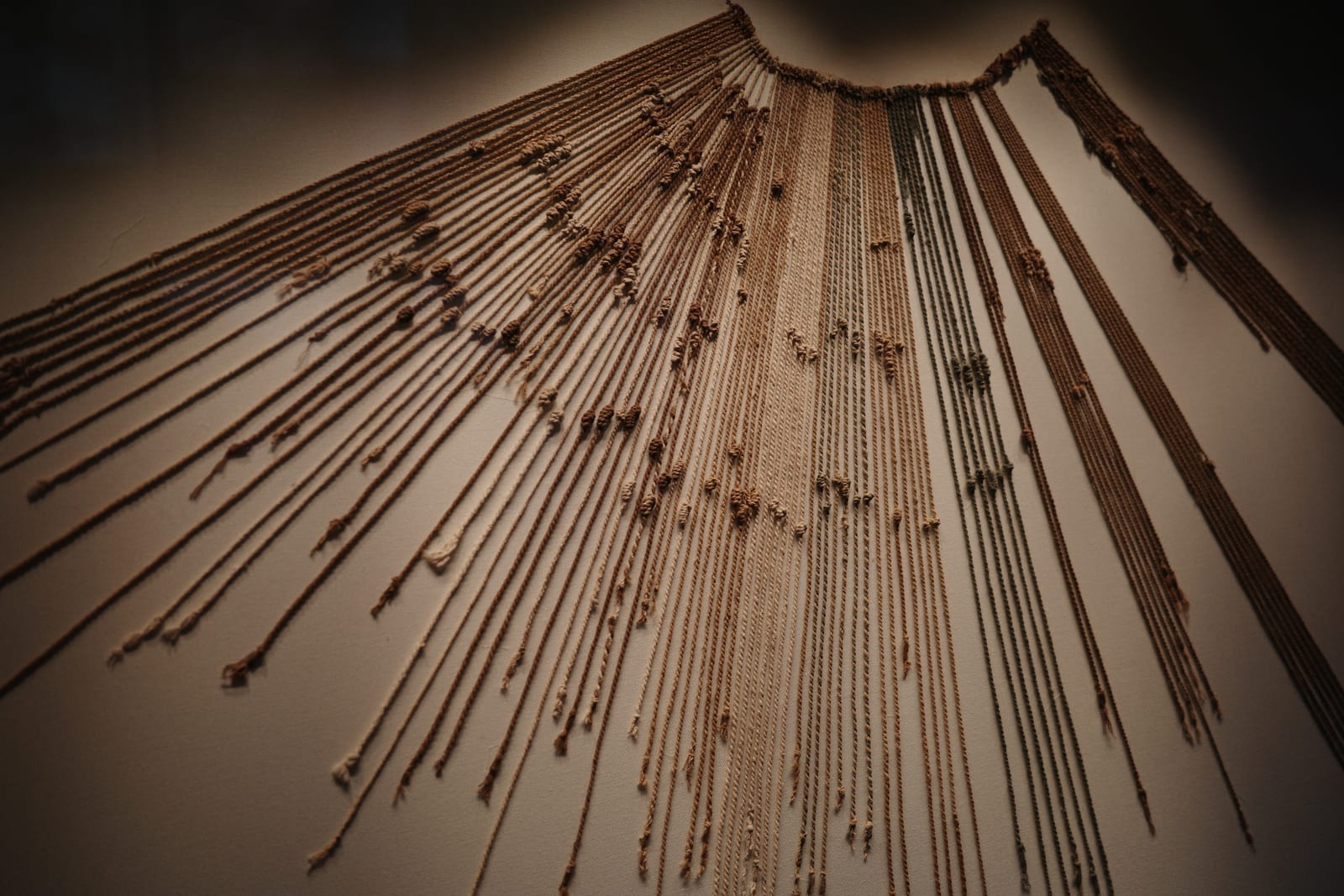
The khipu, sometimes spelled quipu, was a recording system consisting of a primary cord from which numerous smaller cords were suspended. The colours, positions, types of knots, and numerical arrangements of these cords could all convey information. Researchers have established that khipus were capable of recording numerical data. They were used in imperial administration for purposes such as population records, tribute obligations, and the management of stored goods.